

CNC Sheet Fabrication
Advanced Manufacturing with CNC Sheet Fabrication Excellence
High-Density Polyethylene (HDPE) sheet fabrication involves the processing of HDPE sheets into various components and products using different manufacturing techniques.
Here’s an overview of HDPE sheet fabrication:
Material Properties:
HDPE is a versatile thermoplastic known for its excellent strength-to-density ratio, chemical resistance, and durability. It is commonly used in applications requiring corrosion resistance, impact strength, and low moisture absorption.
Design and Planning:
The fabrication process typically begins with the design of the desired component or product using computer-aided design (CAD) software. Engineers and designers create detailed drawings and specifications for the fabrication process.
Sheet Preparation:
HDPE sheets are available in various thicknesses and sizes. Before fabrication begins, the sheets may need to be cut to the required dimensions using techniques such as sawing, shearing, or CNC machining.
Fabrication Techniques:
Thermoforming: Heating the HDPE sheet to a pliable state and then forming it into the desired shape using molds or vacuum forming.
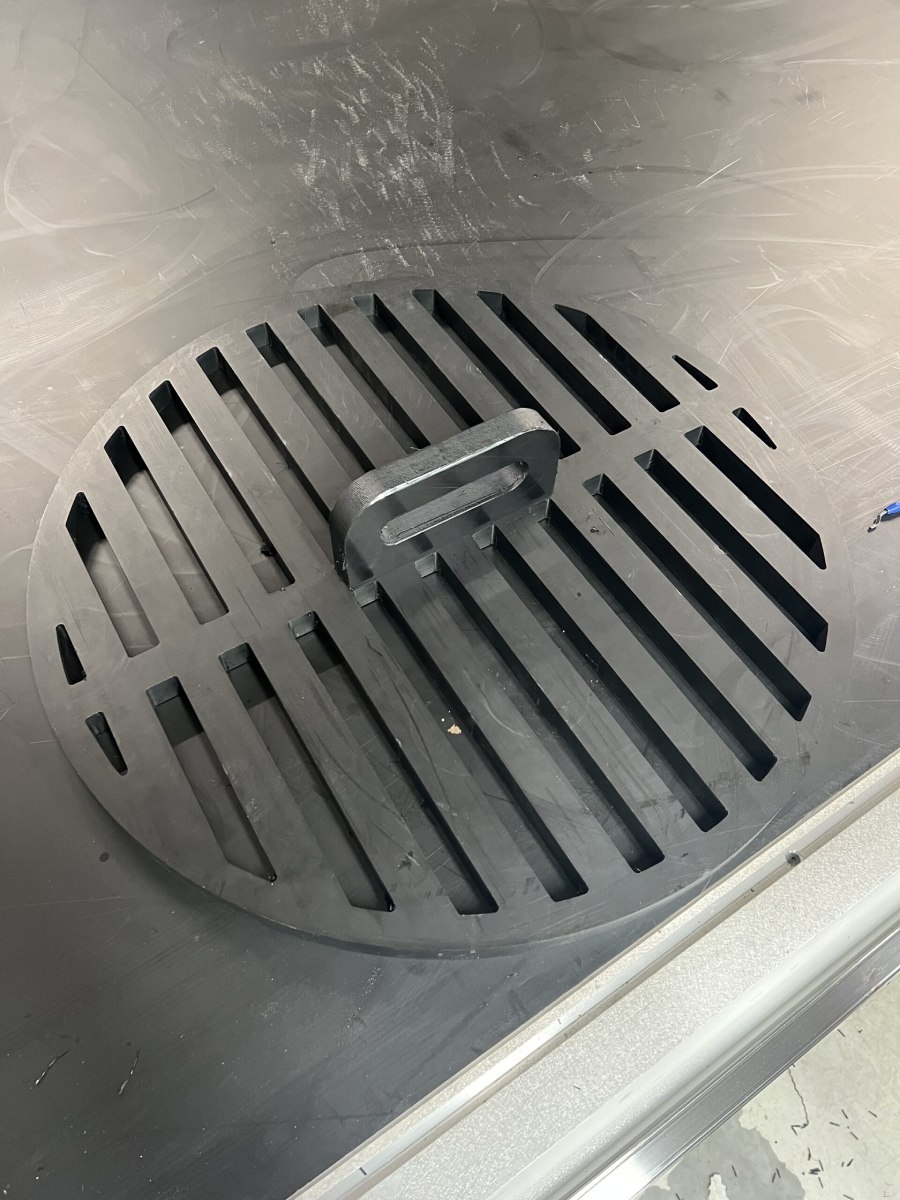
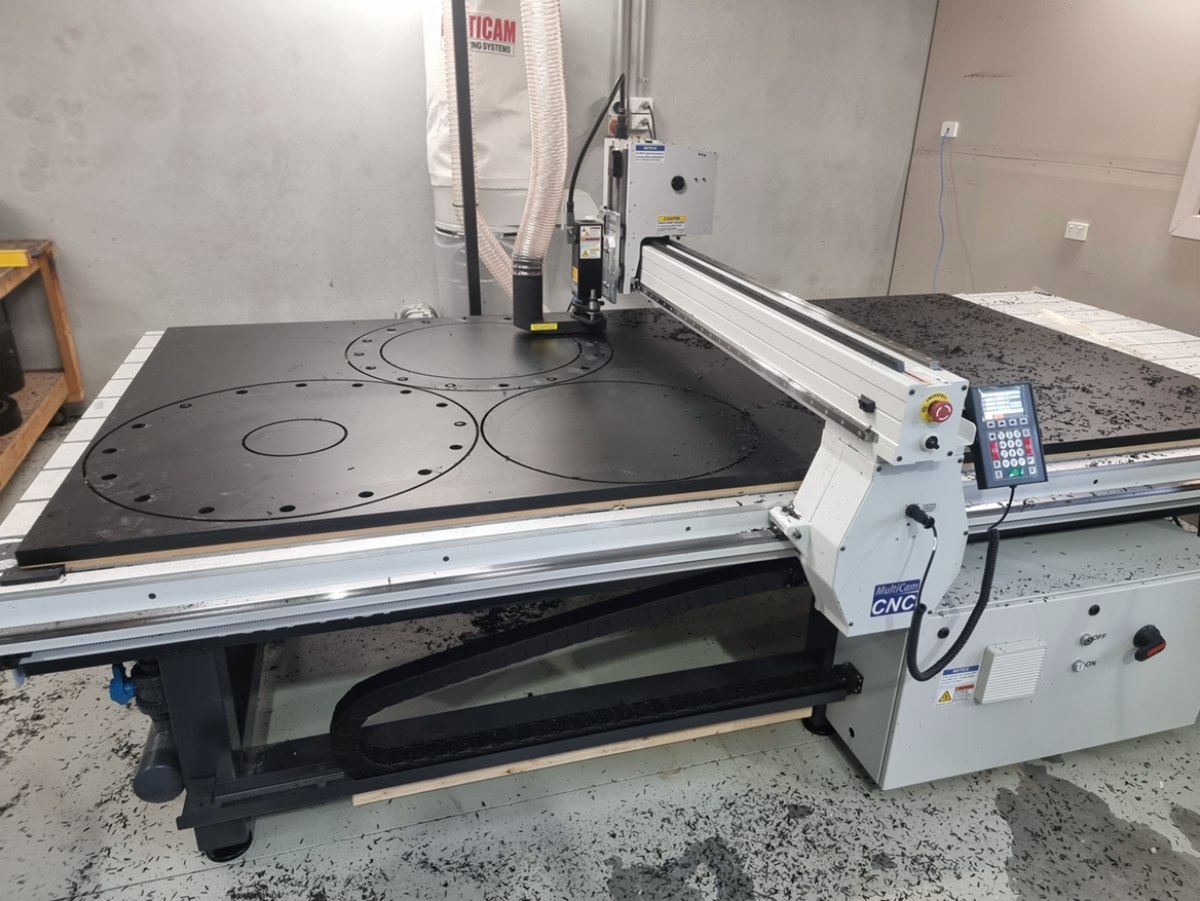
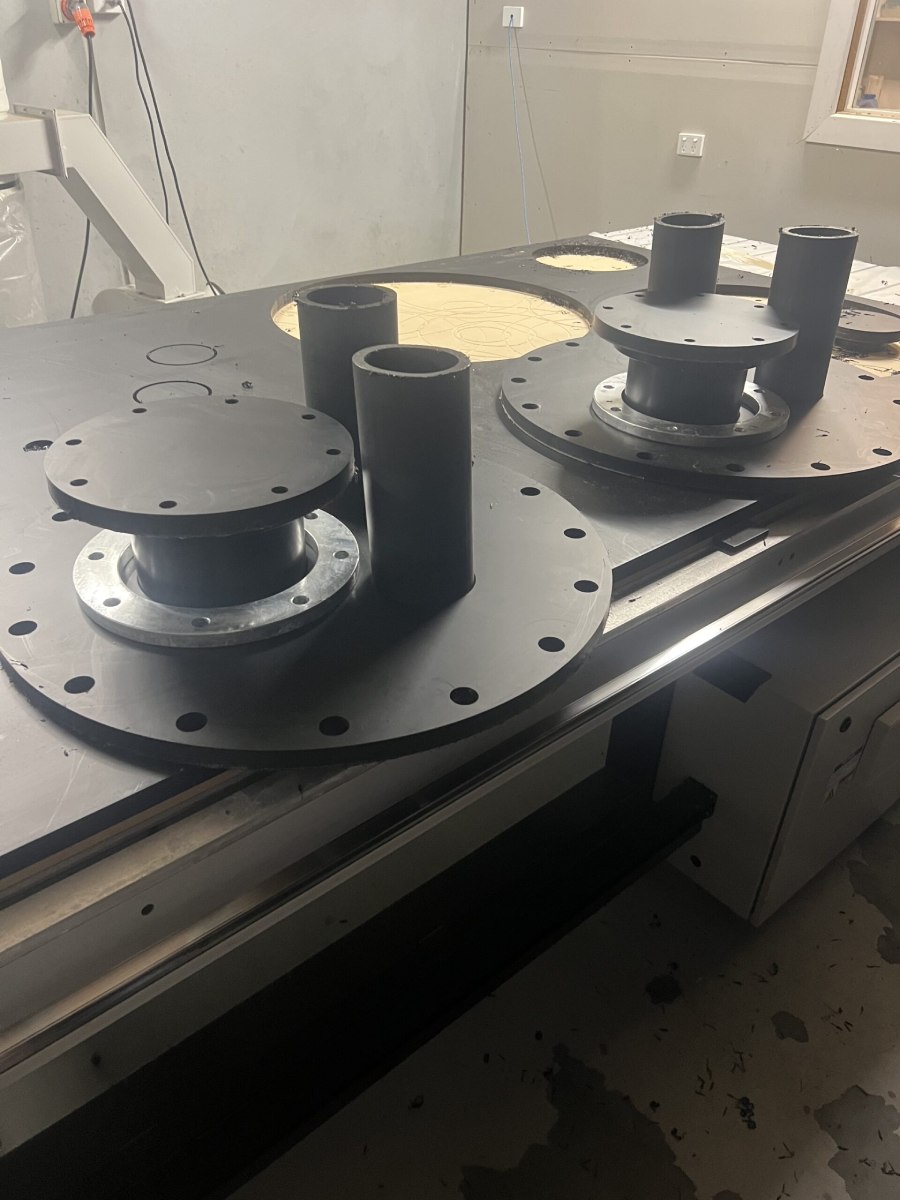
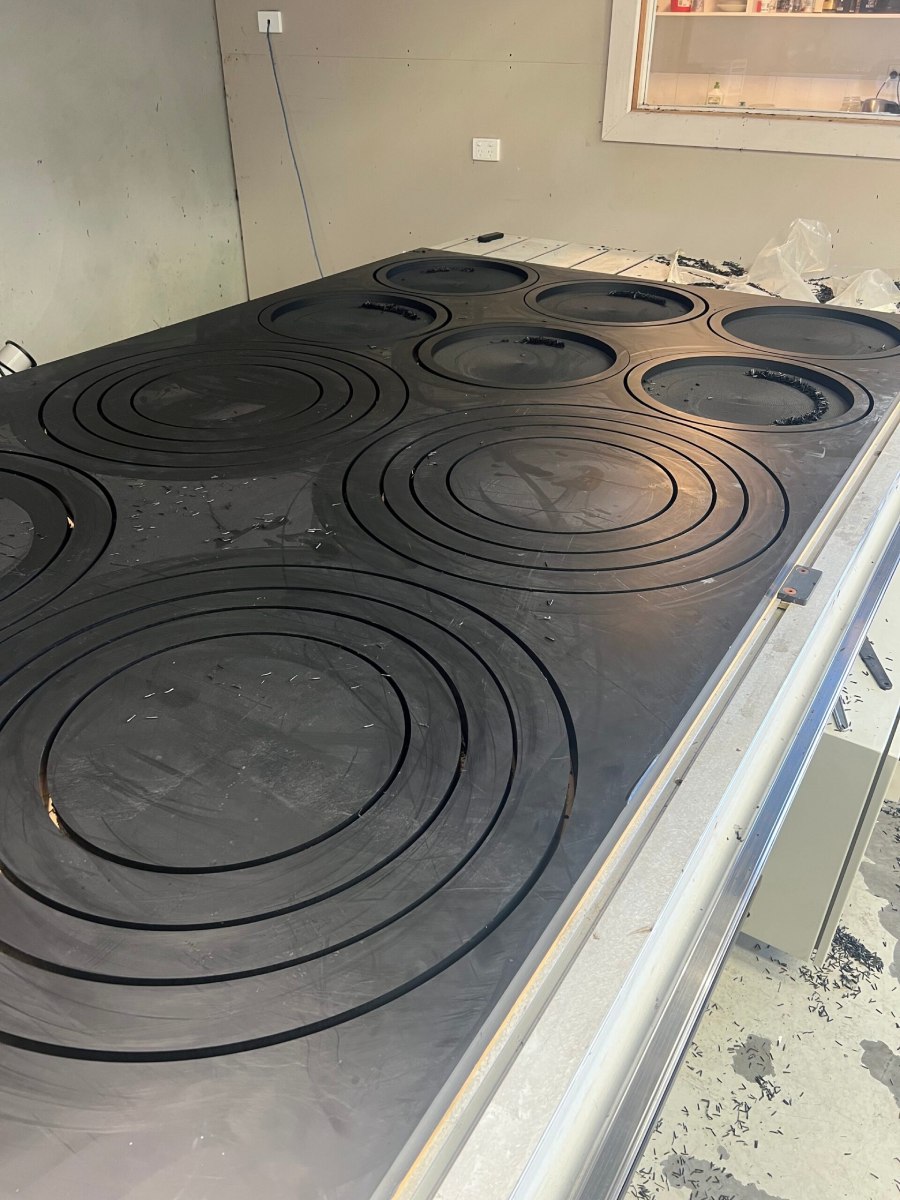
Machining: CNC machining or conventional machining processes such as milling, drilling, and turning may be used to cut, drill, or shape HDPE sheets to precise specifications.
Welding: HDPE sheets can be welded together using techniques such as butt welding, hot gas welding, or extrusion welding to create larger assemblies or structures.
Bonding: Adhesive bonding may be used to join HDPE sheets to other materials or to bond multiple HDPE sheets together.
Finishing: After fabrication, HDPE components may undergo finishing operations to smooth edges, remove burrs, or improve surface finish. Techniques such as sanding, polishing, or flame polishing may be used to achieve the desired surface quality.
Quality Control:
Throughout the fabrication process, quality control measures are implemented to ensure that the finished components meet specified tolerances, dimensions, and quality standards. This may involve inspection using precision measurement tools, visual inspection, or testing for mechanical properties. HDPE sheet fabrication is widely used in industries such as packaging, automotive, construction, agriculture, and marine due to the material’s versatility, durability, and cost-effectiveness. It is used to manufacture a variety of products including tanks, pipes, containers, cutting boards, signage, and more.