

Pipe Spooling
Streamlined Pipe Spooling Solutions
HDPE pipe spooling refers to the process of pre-fabricating sections or “spools” of HDPE pipes and fittings in a controlled environment before transporting them to the installation site.
Here’s an overview of HDPE pipe spooling:
Preparation:
The process begins with the preparation of HDPE pipes and fittings according to project specifications. This includes cutting the pipes to the required lengths and preparing the ends for fusion welding.
Fusion Welding:
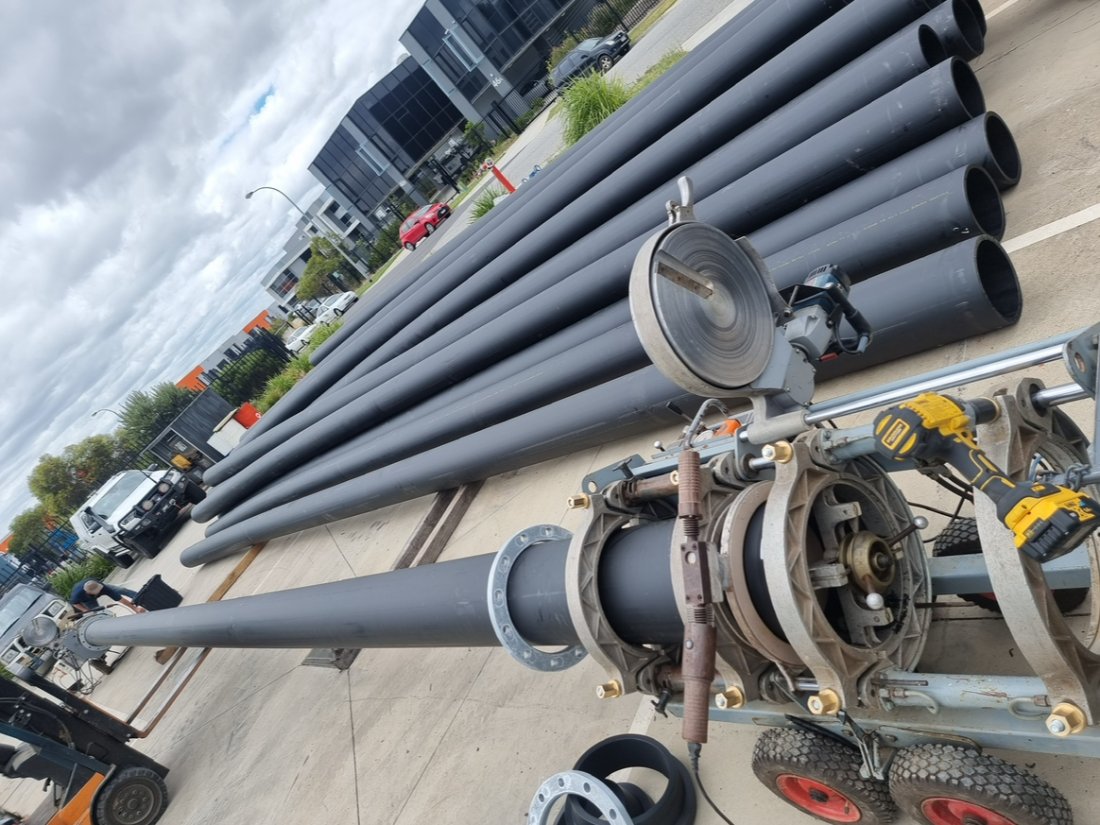
HDPE pipes and fittings are joined together using heat fusion techniques, such as butt fusion or electrofusion. Fusion welding creates strong, leak-proof joints by melting the HDPE material at the mating surfaces and allowing them to fuse.
Assembly:
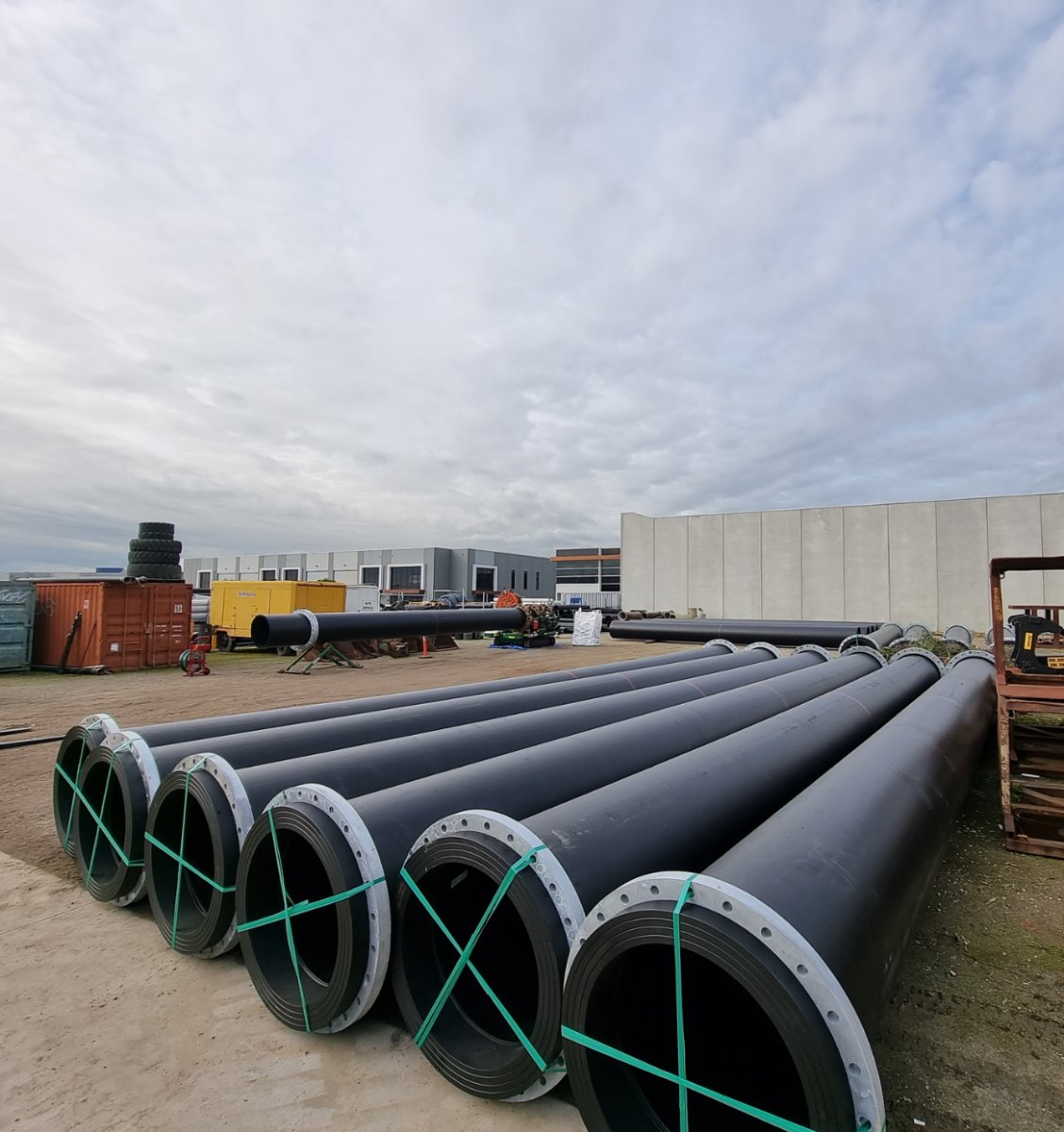
Once the pipes and fittings are fused, they are assembled into sections or spools according to the layout of the piping system. This may involve connecting multiple pipes and fittings to create complex configurations, such as elbows, tees, reducers, and transitions.
Quality Control:
Throughout the spooling process, quality control measures are implemented to ensure that the fabricated sections meet specified tolerances, dimensions, and quality standards. This may involve visual inspection, dimensional checks, and testing of fusion joints.
Marking and Identification:
Each spool is typically labeled or marked with identification information, including part numbers, sizes, and orientation, to facilitate installation at the job site.
Packaging and Transportation:
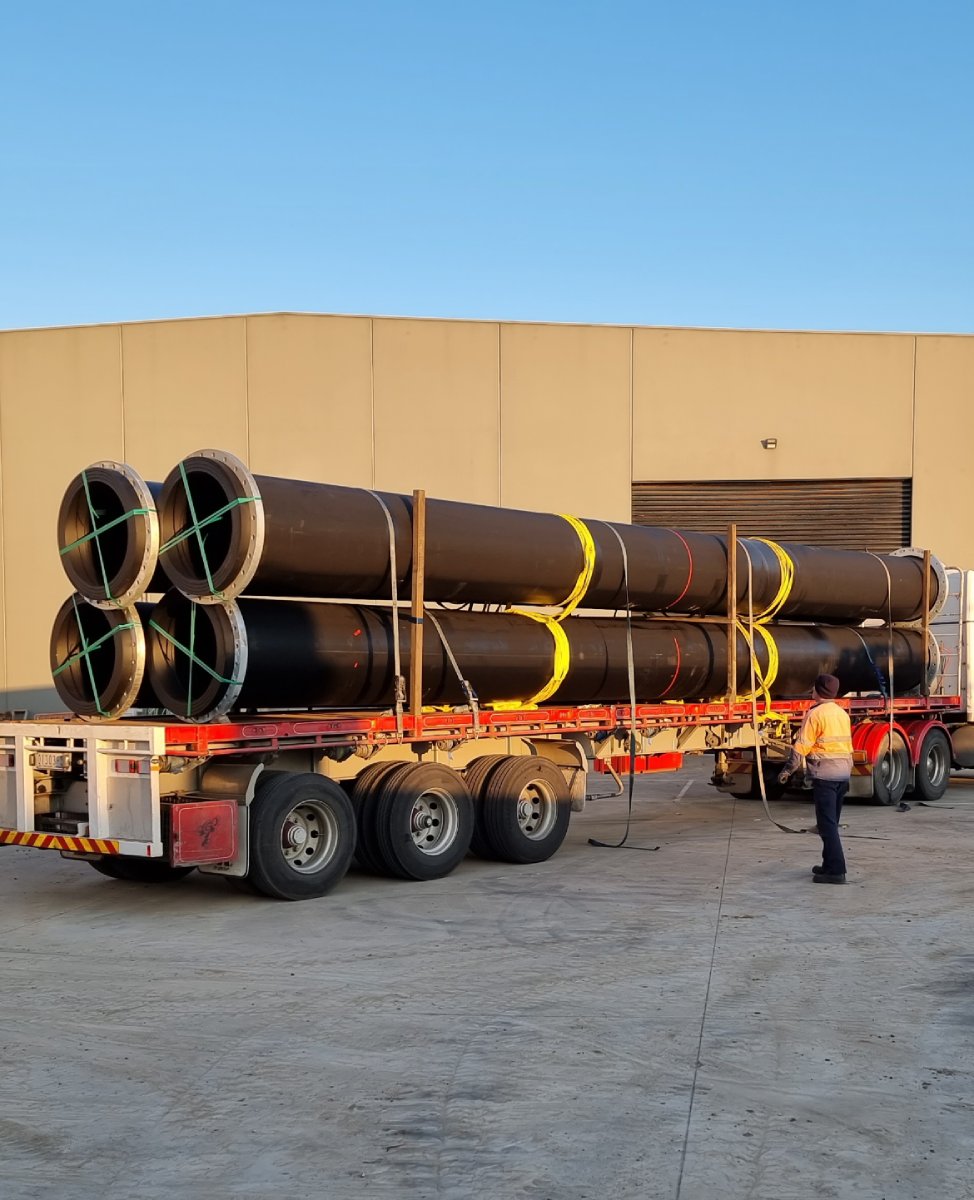
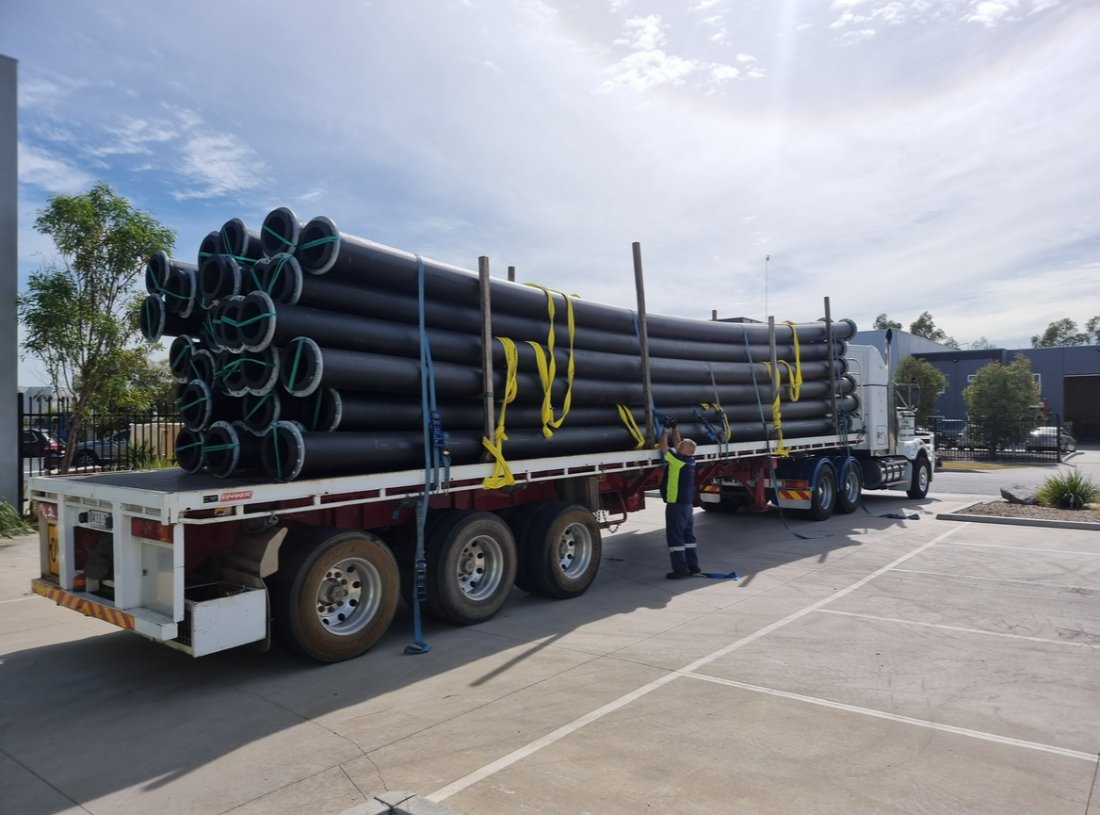
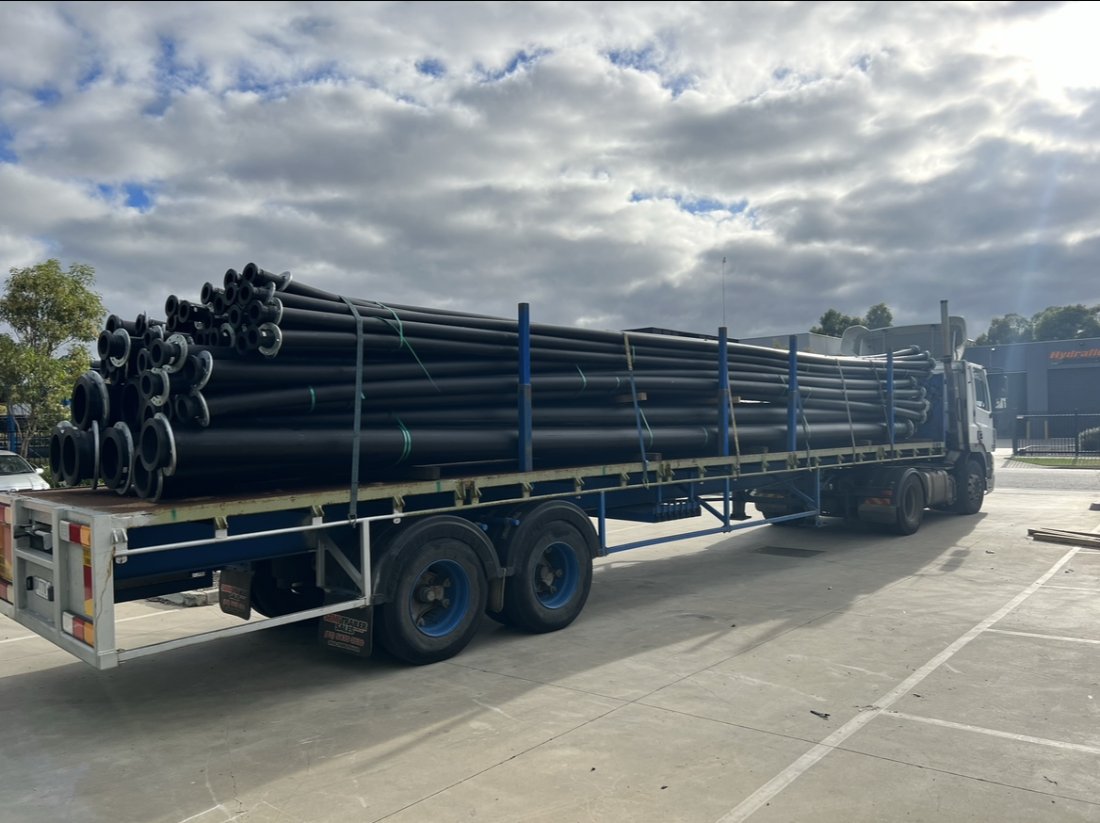
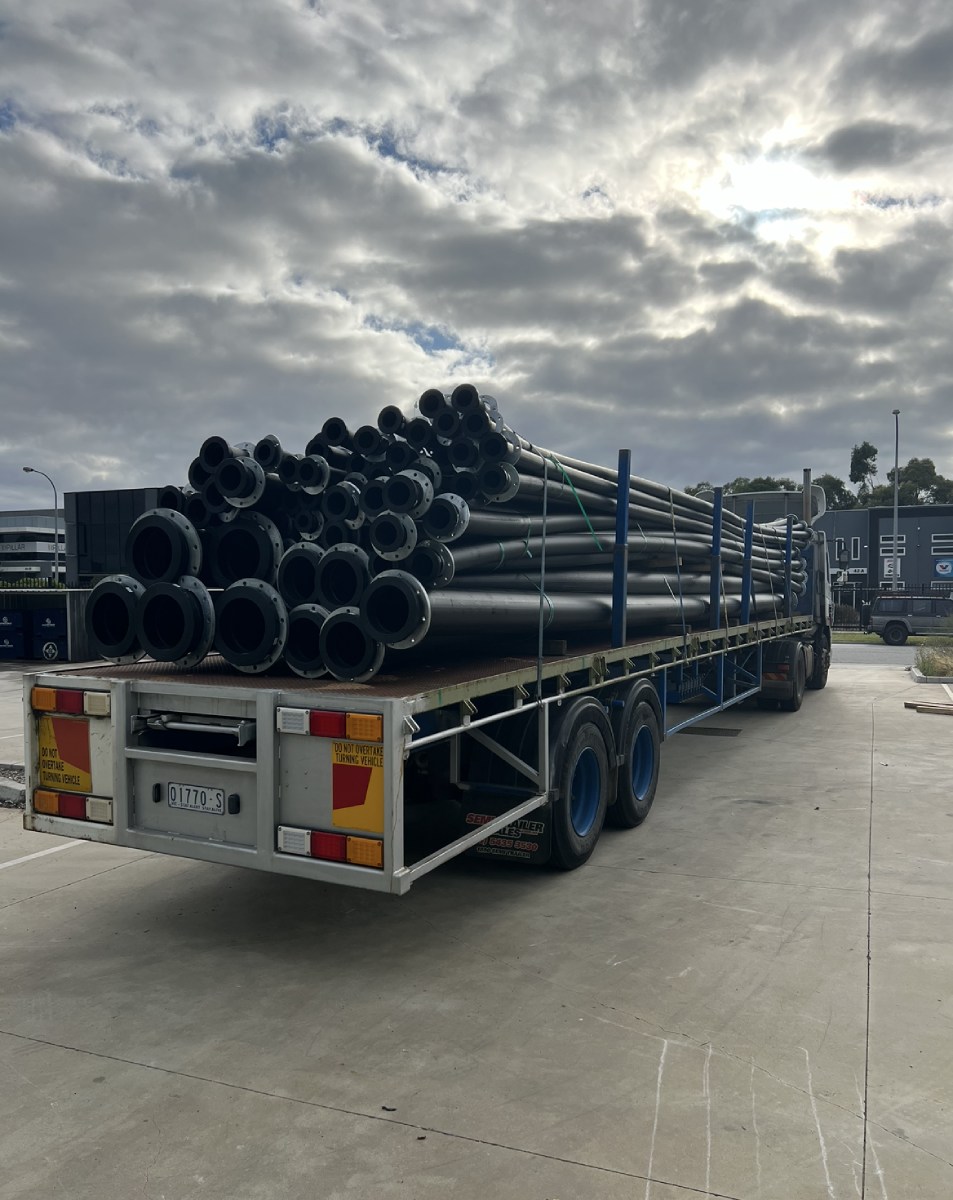
Once the spools are fabricated and inspected, they are packaged and prepared for transportation to the installation site. Proper packaging helps protect the spools from damage during transit and ensures that they arrive at the job site in good condition.
Installation:
At the installation site, the pre-fabricated HDPE pipe spools are unloaded and positioned according to the project layout. They are then connected using additional fusion welding techniques to complete the piping system.HDPE pipe spooling offers several advantages, including improved quality control, reduced installation time and labor costs, and minimized disruption to the job site. By fabricating sections of HDPE pipes and fittings in a controlled environment, manufacturers can ensure consistency and precision in the fabrication process, leading to higher-quality installations and enhanced performance of the piping system.