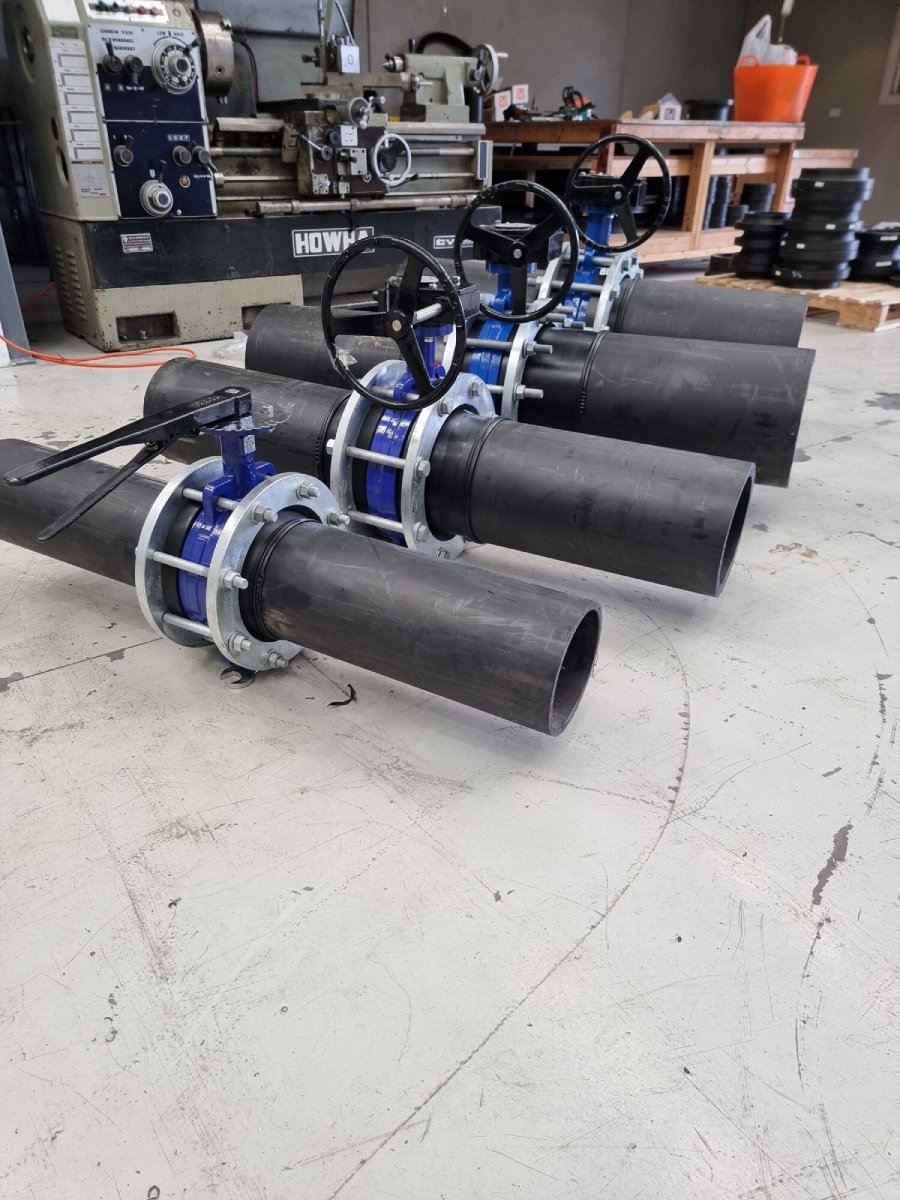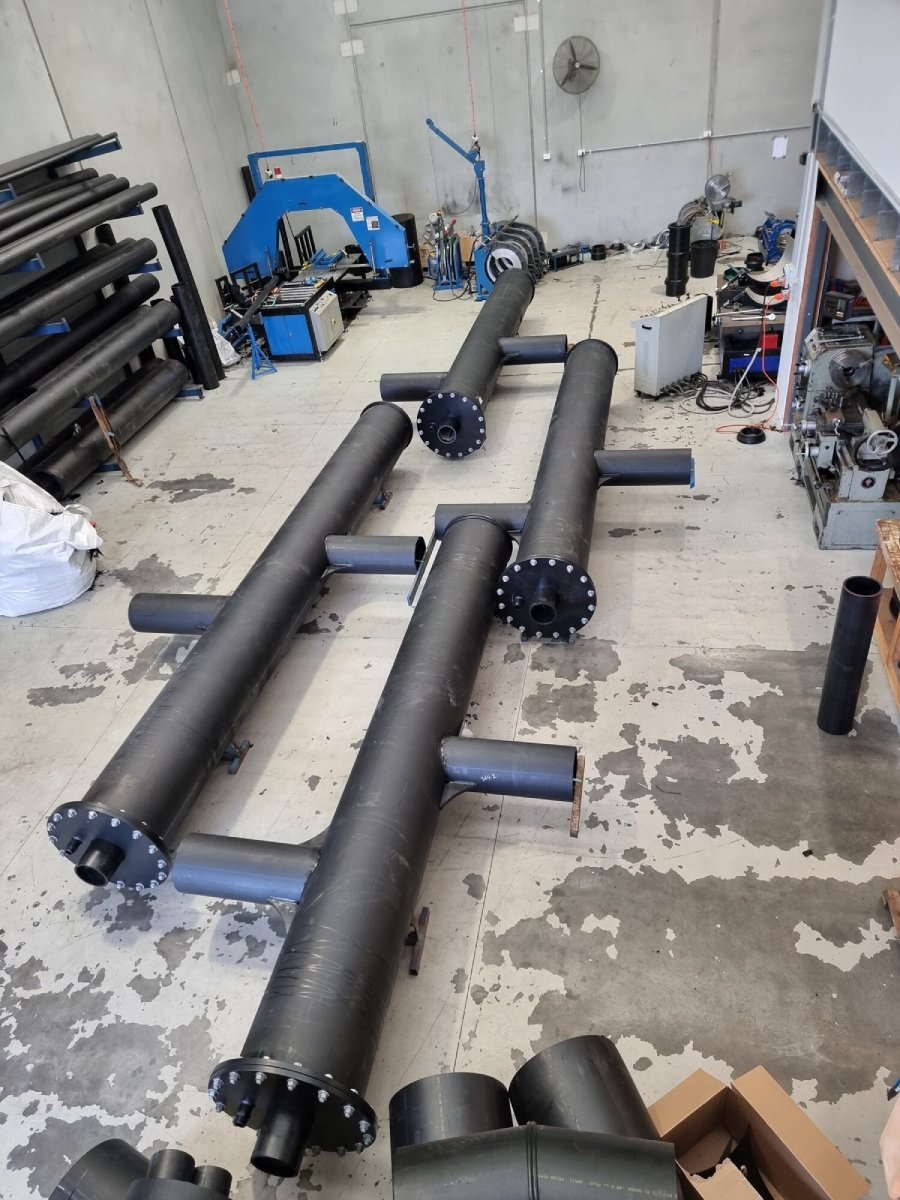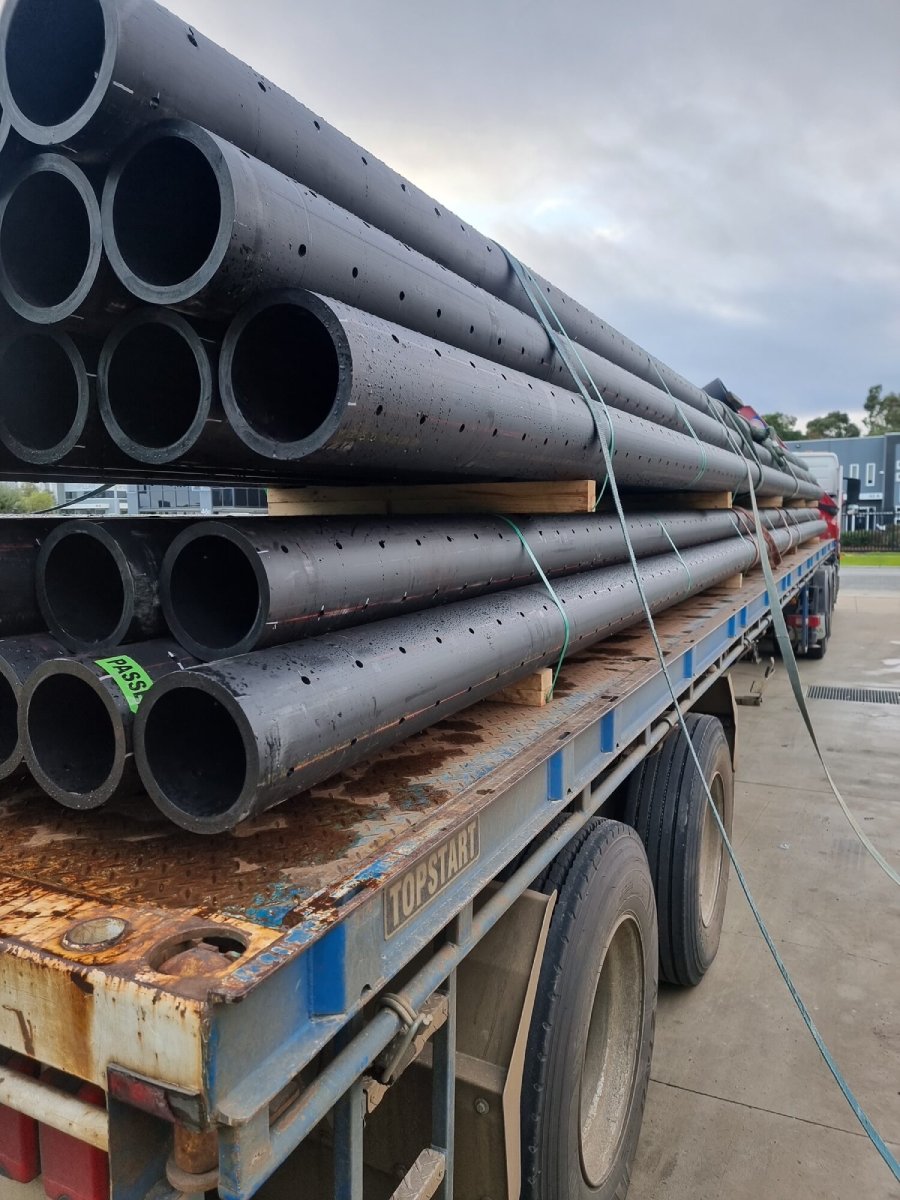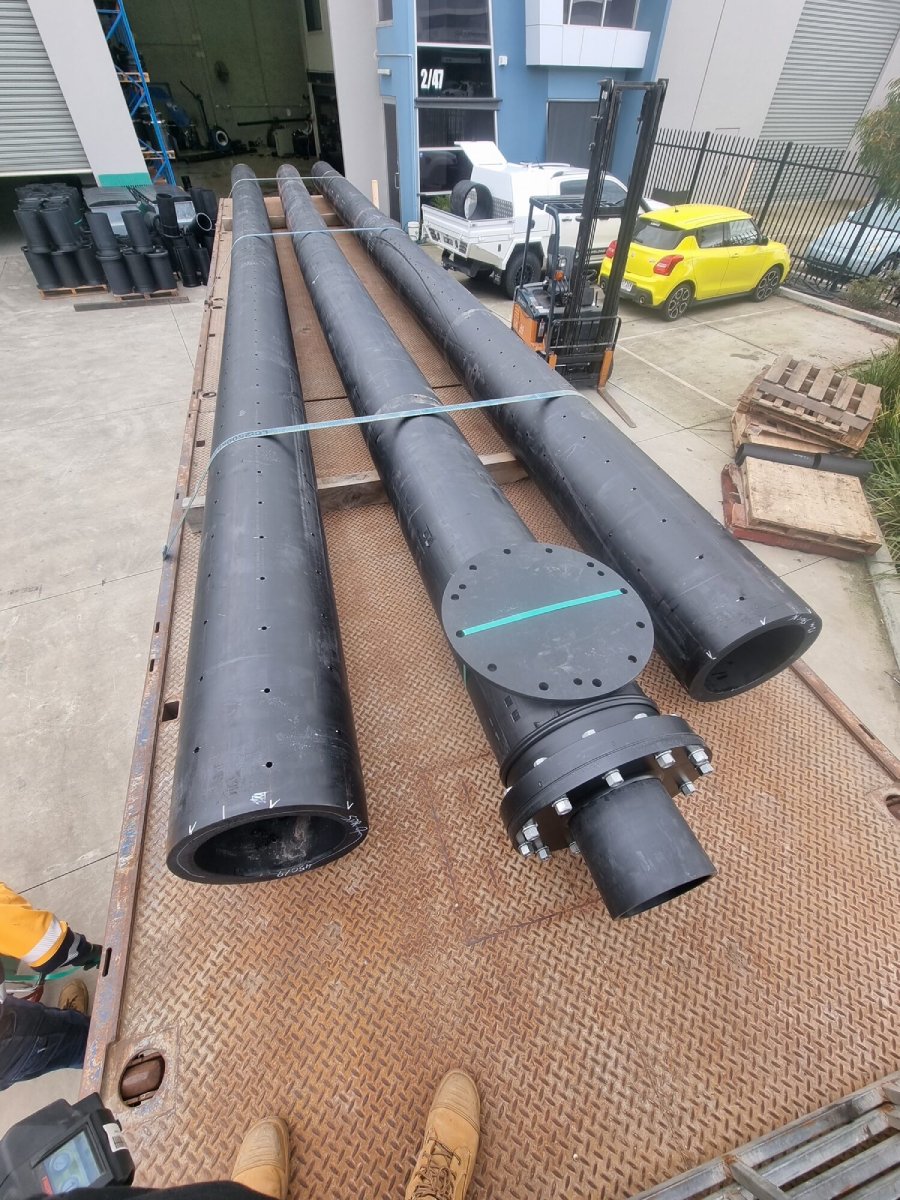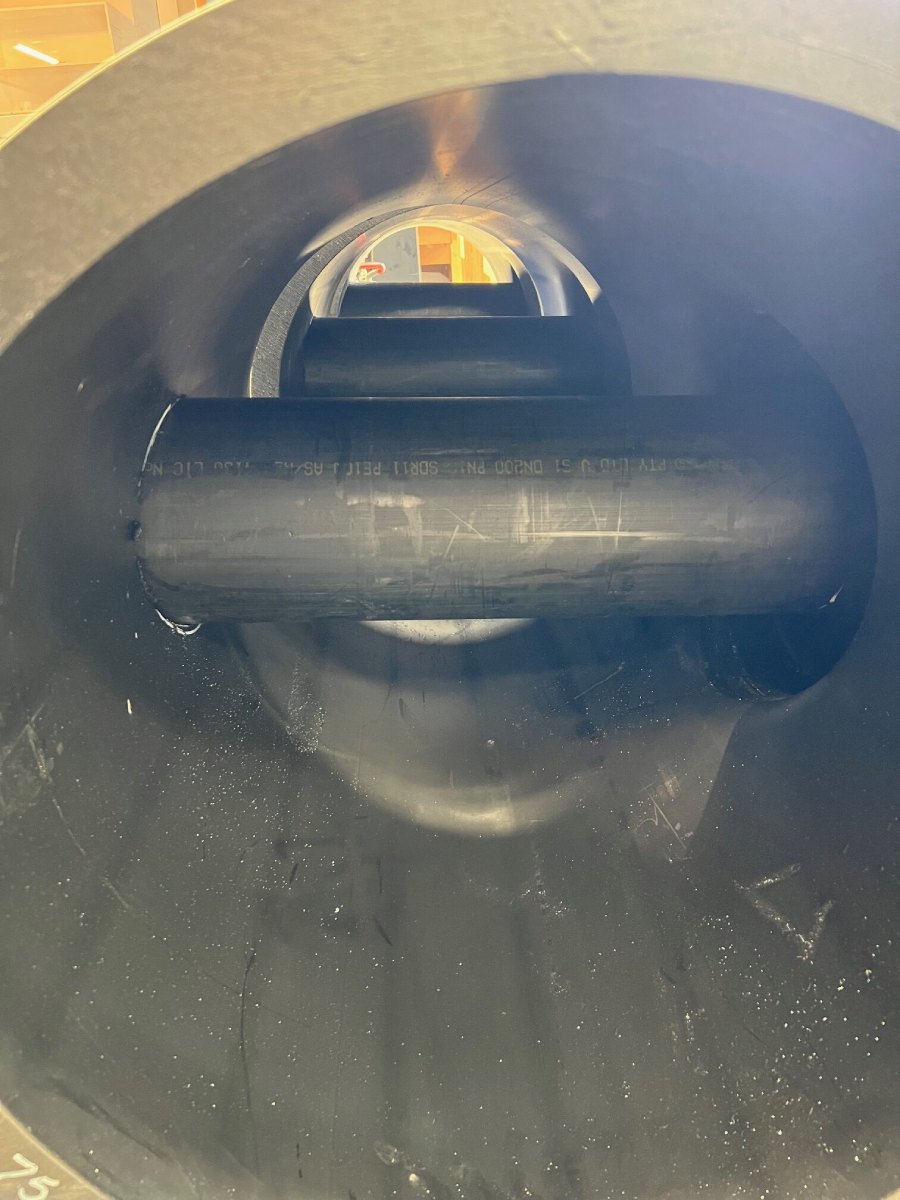


Leachate Extraction Pipe Work
Precision Craftsmanship in Pipe Work
HDPE (High-Density Polyethylene) pipe systems are frequently used in leachate collection and management systems at landfill sites.
HDPE pipes offer several advantages for this application:
Chemical Resistance:
HDPE is resistant to the chemicals typically found in leachate, including acids, bases, and organic compounds, ensuring long-term durability and performance.
Corrosion Resistance:
Unlike metal pipes, HDPE pipes do not corrode, rust, or degrade when exposed to moisture and aggressive chemicals present in leachate.
Smooth Interior:
HDPE pipes have a smooth interior surface, which minimizes friction and prevents the accumulation of solids, reducing the risk of clogging and maintaining efficient flow.
Flexibility:
HDPE pipes are flexible and can be easily bent to follow the contours of the landfill site, reducing the need for fittings and joints and minimizing the risk of leaks.
Leak-Free Joints:
HDPE pipes can be joined using heat fusion techniques, creating seamless, leak-free joints that are as strong as the pipe itself, ensuring a reliable system.
Lightweight:
HDPE pipes are lightweight, making them easier to handle and install compared to heavier materials like concrete or metal, thereby reducing installation time and costs.
Longevity:
HDPE pipes have a long service life, typically exceeding 50 years, ensuring long-term performance and minimizing the need for maintenance and replacement. Overall, HDPE pipe systems are an excellent choice for leachate collection and conveyance due to their chemical resistance, durability, flexibility, and ease of installation. They provide a cost-effective and reliable solution for managing leachate at landfill sites.